
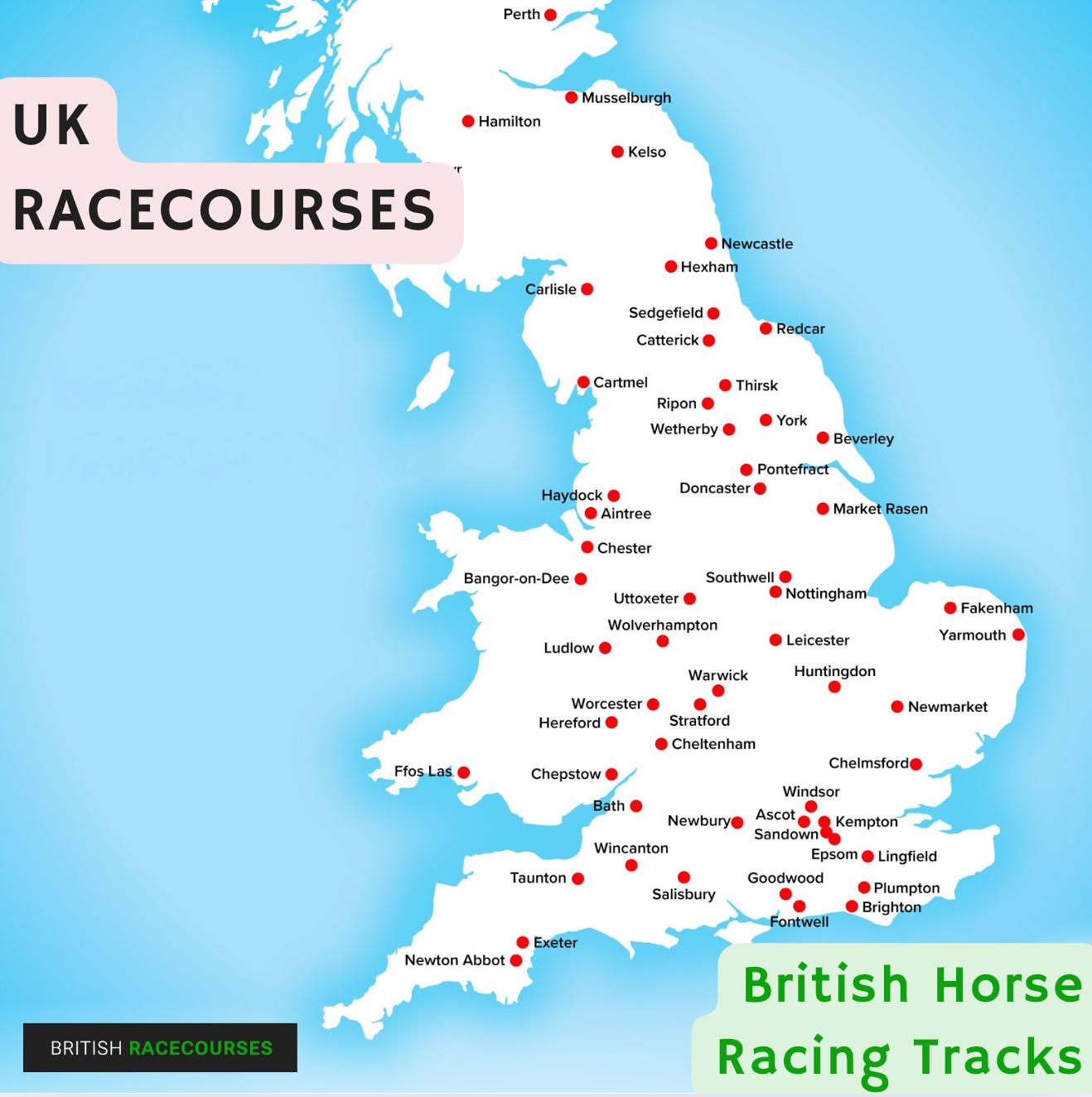
The Impact of UK Horse Racing Not On: Trends and Insights
UK horse racing is not just a sport; it is a significant part of British culture and history. However, at times, horse racing events are canceled or postponed due to various reasons such as weather conditions, safety concerns, or public health issues. When horse racing is not on, the effects ripple through the entire betting ecosystem. This article will delve into the implications of UK horse racing not being on, including the betting trends, alternative activities, and the resilience of the horse racing industry. For those looking to engage in horse racing betting even when traditional events are not available, UK horse racing not on GamStop non GamStop horse racing sites provide exciting alternatives.
The Importance of UK Horse Racing
Horse racing in the UK has a storied legacy, with events like the Grand National and Royal Ascot drawing in millions of spectators and bettors annually. These events not only celebrate the sport itself but also the social aspects tied to it, where people come together to enjoy a day out, dress in formal attire, and potentially win money through betting. The economic impact of horse racing is substantial; it generates billions for the UK economy, supporting jobs both directly in racing and indirectly in ancillary industries, such as hospitality and tourism.

Reasons for Cancellations and Postponements
Cancellations in UK horse racing can occur for several reasons. Weather is a primary factor; heavy rainfall or snow could make tracks unsafe for horses and jockeys. Similarly, public health concerns, as seen during the COVID-19 pandemic, may lead to significant disruption in scheduled racing events. Additionally, other safety concerns, such as equine health issues, can trigger postponements. Understanding these reasons helps stakeholders prepare and respond effectively when events are not on.
Impact on Betting Habits
When racing events are canceled, bettors often experience a sense of disappointment. Many have their strategies and choices planned out, and sudden changes can leave them scrambling for alternatives. This is where non-traditional betting sites gain traction. Many bettors turn to non GamStop horse racing sites to continue engaging with the sport they love in a different format. These platforms allow for various betting opportunities, including virtual horse racing and sports betting, providing a much-needed outlet when actual races are not taking place.
Alternative Betting Opportunities
The absence of live horse racing does not signal the end of betting for enthusiasts. In recent years, eSports and virtual racing have emerged as exciting alternatives. eSports tournaments often feature competitive gaming that attracts younger audiences, while virtual racing can provide entertainment through computer-generated races. These alternatives are increasingly becoming popular among bettors looking to maintain their activity and excitement surrounding betting.
The Resilience of the Horse Racing Industry
Despite the numerous challenges that arise when UK horse racing is not on, the industry continues to demonstrate resilience. Stakeholders from trainers to bookmakers have adapted to the requests of the market, offering new products and experiences to maintain engagement with fans. For example, bookies may introduce special promotions

or bonuses that attract patrons to their platforms during downtimes. Simultaneously, trainers and owners work tirelessly to ensure that horses remain healthy and ready for upcoming races, demonstrating a commitment to the sport and its future.
Fan Engagement During Downtime
For fans, the downtime during race cancellations can be frustrating. However, it can also serve as an opportunity for deeper engagement with the sport. Many fans turn to digital platforms to access behind-the-scenes content, such as interviews with jockeys, trainers, and owners. Social media platforms have become essential tools for maintaining a connection with the racing community. During periods when racing is not on, many organizations ramp up their content production to keep fans engaged and informed, contributing to a dynamic relationship between fans and the sport.
Conclusion
The landscape of UK horse racing is ever-changing, with its inherent unpredictability offering both challenges and opportunities. Although there are times when racing is not on, the industry showcases its adaptability and resilience. Bettors have numerous options available to continue their engagement with horse racing, including non GamStop horse racing sites and alternative betting opportunities. By embracing innovation and keeping a pulse on consumer interests, the UK horse racing industry can continue to flourish, ensuring that its rich legacy remains alive for future generations.